
Can You Register a Business in One State and Operate in Another?
Businesses today rarely operate from just one place. You might be living in Hyderabad, your co-founder could be based in Bengaluru, your designer might work remotely from Jaipur, and your biggest client could be in Mumbai. Naturally, one question comes up before incorporation:
Where should we actually register the business?
It's easy to assume that your company has to be registered in every state where you have customers. Fortunately, that's not how it works.
For most businesses, one registered office is enough. That address becomes your company's legal home, but it doesn't decide where you can do business.
Your Registered Office Isn't Where Your Business Ends
Every LLP and Private Limited company needs a registered office when it's incorporated. This is the address that appears on government records and where official notices are sent. Beyond that, your business is free to grow.
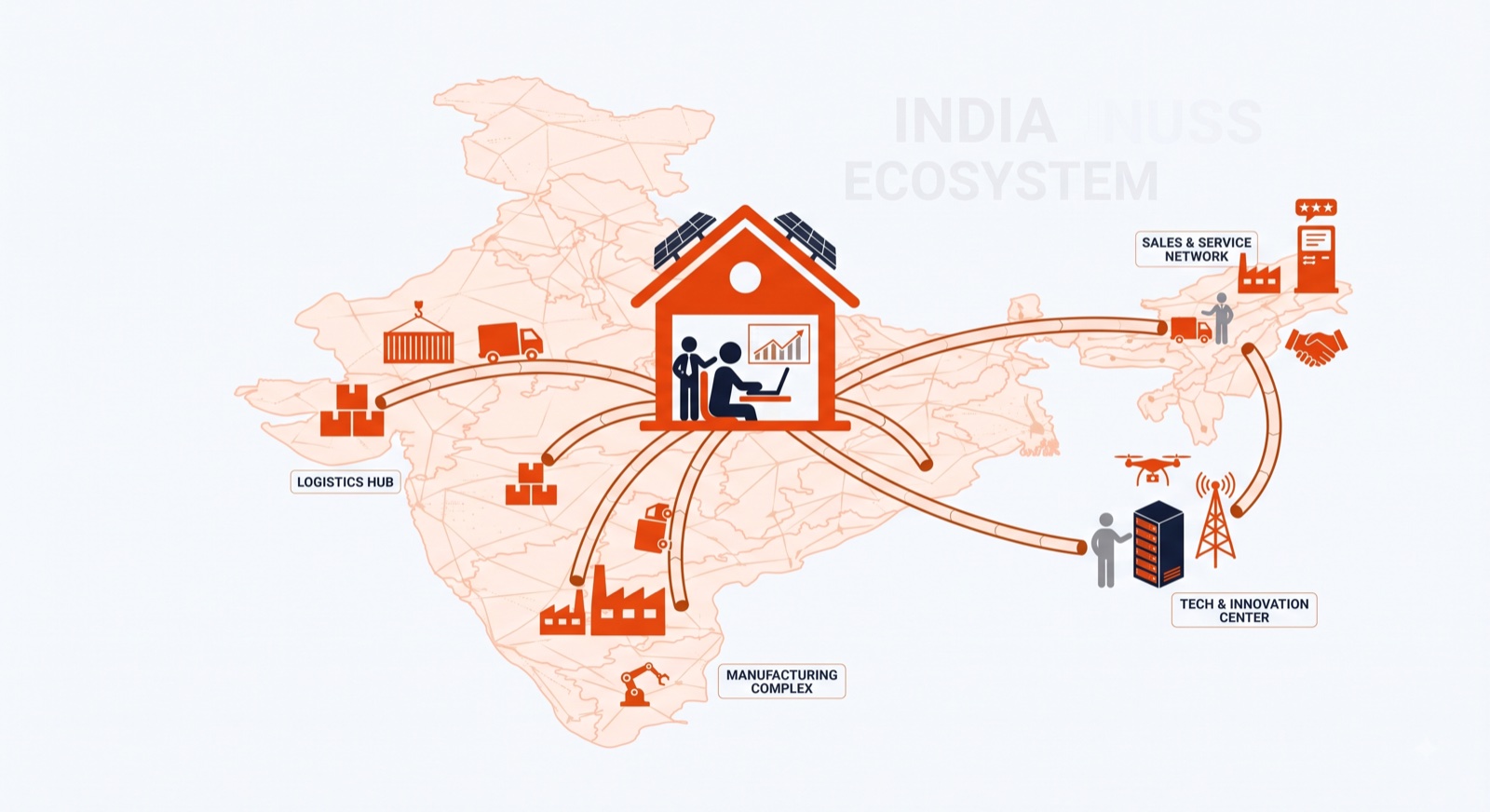
You can provide services across India, sell products online, hire employees in different cities, and work with clients wherever they're based—all while operating under the same legal entity. That's why it's common to see startups with founders working from different cities but sharing a single registered office.

Growth Brings New Compliance—Not a New Company
This is where the confusion usually begins.
Having customers in another state doesn't mean you need to register a second company. However, opening a branch office, warehouse, or another permanent place of business can create additional compliance requirements. The same applies to GST registration, which is generally required in every state where you have a place of business.
In other words, the company remains the same; it's the compliance that changes as the business grows.
That's why choosing your registered office is about more than just getting incorporated quickly. If you're using a temporary address because it's convenient today, remember that changing your registered office later involves additional filings with the Registrar of Companies.
A little planning at the beginning can save a surprising amount of paperwork down the road.
Expanding into another state should feel like a sign that your business is growing, not a reason to panic about incorporation. Once you understand the difference between company registration and state-specific compliance, the process becomes much easier to navigate.